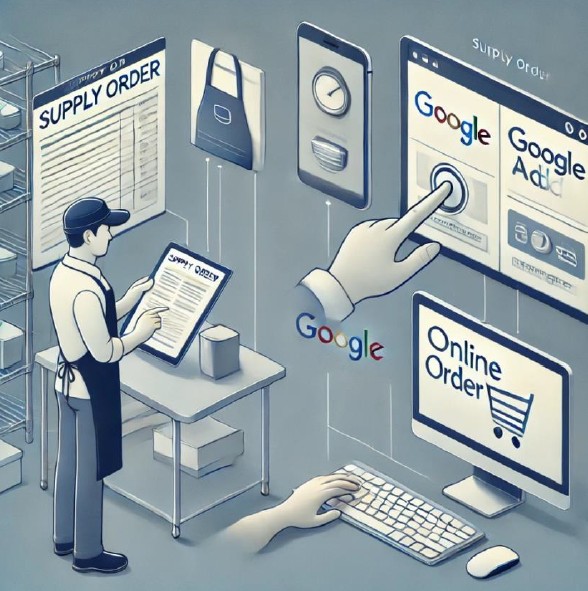
Understanding how to make a restaurant successful involves a digital transformation across marketing and operations. As a restaurant operator, becoming omnipresent – a robust digital presence – is essential to build better customer relationships. Also, we can see how digital channels have helped improve the supply chain, processes, and even the response to demand.
To discuss these concepts in more detail, let’s examine how these changes have impacted the restaurant industry:
- The Digital Customer Touchpoints
Digital transformation and demand have influenced the industry tremendously. Now, restaurant operators must understand that they must be present across different platforms to accommodate customer demands. From social media, websites, reviews, online ordering platforms, Yelp, etc., restaurants must be visible to compete. - Using Digital Channels in the Supply Chain
The digital shift has also changed the supply chains. Vendors and suppliers have helped strengthen the ordering processes by facilitating restaurants with platforms that help with orders, inventory, bookkeeping and even recipes. These tools have helped reduce manual labor and improve operation efficiencies and marketing activities. - Online Ordering Platforms with Supply Chain Operations Integrations
Adding online ordering services to websites or through third-party partners has created another source of income. According to Statista online ordering has surpassed traditional dine-in traffic by 300% in recent years. At the same time, these tools have also brought insights that help manage sales and operations throughout the day. Not only does this efficiency help monitor the activities during the day, but it also helps with order optimization, fulfillment, time management, and logistical accuracy by partnering with the right companies. - Reaching Customers with Targeted Ads
Many restaurant operators resist the idea that the digital world arrived a long time ago. However, as new generations influence more traditional operators, it becomes clear that the target market is now engaged in the digital world. We can see how things are changing. Running local ad campaigns on social media and Google allows restaurants to attract customers, highlighting unique offerings. Digital ads help reach the right audience and reinforce the brand’s connection to the community. The impact of ads is so significant that in 2021, digital ads surpassed $601.83 billion in sales worldwide – Statista.
Real-Life Success Story: ‘Don Pepe’ Restaurant in Pembroke Pines
‘Don Pepe’ in Pembroke Pines (Mydonpepe.com) is an example of a restaurant that successfully adapted to the digital shift. By adopting an omnipresence strategy—including active engagement on social media, review sites, and online ordering platforms—they created a consistent brand experience. On the operations side, they used digital supply chain tools with GFS and online order data to streamline inventory, reduce waste, and improve fulfillment during busy hours. This has helped them to improve customer satisfaction and sales. As Victor Garcia, VP of Marketing at RestaurantSuite360.com, explains, “Don Pepe is a classic example of a small business thinking big.” By becoming effective in both marketing and operational areas, they have survived after the pandemic and thrived in a very competitive market.
“As customers have evolved to a more digital world, so do restaurant operators need to adapt to future changes and trends to succeed.”
In essence, digital transformation has not only brought changes in the way we promote brands and services and attract customers, but it has also impacted and influenced the way restaurants have improved their operations and have worked with supply partners to provide a seamless, good experience to customers.
For more information and tips in the restaurant industry, don’t forget to visit my blog at: marcogarciamarketing.com